Bamboo is one of the most versatile and fast-growing renewable materials on earth, but for many companies it still sits somewhere between “interesting idea” and “unclear supply chain.”
This collection of Frequently Asked Questions aims to help those exploring bamboo in a practical sense, whether for landscaping, construction, horticulture, or product development. Especially if you’re considering importing bamboo in bulk or container loads, you will find the following information remarkably useful.
This article is part of a broader series covering bamboo’s many ecological benefits and commercial uses. For a deeper understanding of bamboo and how it grows, please see our Complete Guide to Growing Bamboo, along with our articles on Bamboo and Carbon Sequestration and What Makes Bamboo So Sustainable.
For more personalized guidance, reach out directly to Bambu Batu to discuss our bespoke consultation options and services. Since 2006, we’ve been working directly with manufacturers and selected bamboo producers across Africa, Latin America, and Southeast Asia, helping connect them with buyers seeking reliable, transparent supply chains.
FAQs about sourcing and importing commercial bamboo
Where can I buy bamboo in bulk for import?
This is probably the question I receive more than any other. Many people assume there’s a global catalogue of bamboo suppliers waiting to ship containers around the world. In reality, the market is far more fragmented.
China remains the dominant exporter, particularly for standardized products manufactured at very large scale. But over the last decade I’ve also had the privilege of working with producers in Africa, Latin America, and Southeast Asia who offer excellent products and something that’s sometimes overlooked in international trade: direct relationships. Furthermore, with today’s geopolitical pressures, many are looking for alternatives to sourcing from China.
In any case, not every producer is suitable for every buyer. Some are better equipped for landscaping products, others for construction materials or semi-processed bamboo. Matching the right producer with the right customer is often more important than simply finding the lowest price.
Can bamboo be shipped in container loads?
Yes. Bamboo is commonly shipped in full container loads (FCL), depending on product type. For most products, containers offer the highest level of efficiency and affordability.
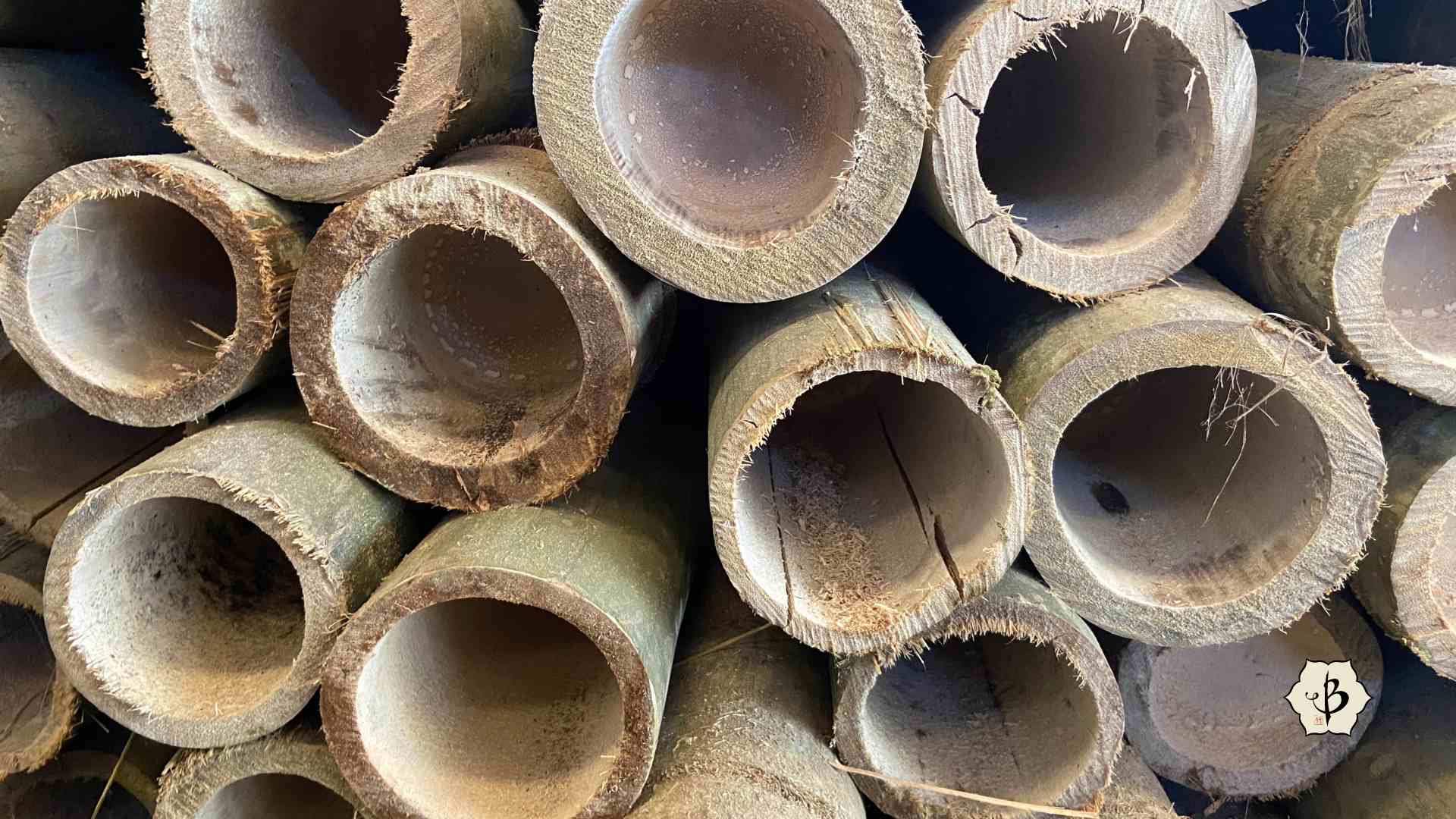
Typical containers are loaded with bundled bamboo poles (in standard or semi-standard sizes), crated or strapped slats and strips, or palletized or loose-packed materials, depending on the level of processing. Bamboo poles are most expensive to ship, because they are basically hollow tubes full of air. For greater efficiency, if the bamboo is going to be processed or laminated, the poles should be splits into slats or strips for tighter packing.
Of utmost importance when shipping containers, be mindful of moisture content, fumigation or treatment requirements, and proper loading to avoid damage in transit. Nothing worse than opening a full container of premium Guadua poles to find a room full of grey mould. Poles and strips should always be treated before shipping to protect them from insects.
How do you import bamboo into Europe or the USA?
Importing bamboo involves several steps:
- Identifying a reliable supplier with export experience
- Agreeing on specifications (dimensions, treatment, grading, volume)
- Defining Incoterms (FOB, CIF, etc.)
- Ensuring phytosanitary compliance where required
- Organizing freight and customs clearance
Requirements vary depending on product type and destination country, but most commercial bamboo imports require standard plant health documentation and appropriate treatment (such as heat treatment or fumigation).
What documents are required to import bamboo?
While requirements vary by country, common documentation includes:
- Commercial invoice
- Packing list
- Bill of lading
- Phytosanitary certificate
- Certificate of treatment (if applicable)
- Certificate of origin (in some cases)
Working with experienced suppliers is critical. Missing or incorrect documentation is one of the most common causes of shipping delays.
What should buyers look for in a bamboo supplier?
Beyond price, you need to consider a whole host of important factors. This is where experience and personal relationships prove priceless.
As indicated above, moving containers worldwide entails a long list of requirements. The producer should have experience in exporting, and/or work with a dependable agent who can manage the paperwork and preparations.
Always get samples ahead of ordering a full container. In a fragmented industry like this, there’s a certain lack of standardization, so it’s essential to see what the product looks and feels like before you order 20 tonnes of it.
In any international trade, communication can be a challenge. Not only the language barriers, but if you’re in America you may need to get better acquainted with metric units. Feet, inches and pounds don’t mean much to people in most other countries.
Consistency is crucial, but it’s not always easy with bamboo. Even after seeing samples, it’s better to start with a single container. Producers might claim they can offer 2 or 3 or a dozen containers a month, but actions speak louder than words. It might take a few months to understand the realistic production capacity.
At Bambu Batu, we focus on working with smaller, independent producers who may not operate at an industrial scale, but offer strong quality, flexibility, and direct relationships.
What bamboo products are commonly imported?
Depending on the application, imported bamboo may include:
- Bamboo poles (landscaping, horticulture, screening)
- Bamboo slats and strips (fencing, cladding, panels)
- Bamboo canes (agricultural support, vineyards, orchards)
- Semi-processed bamboo for manufacturing
- Specialty architectural or design materials
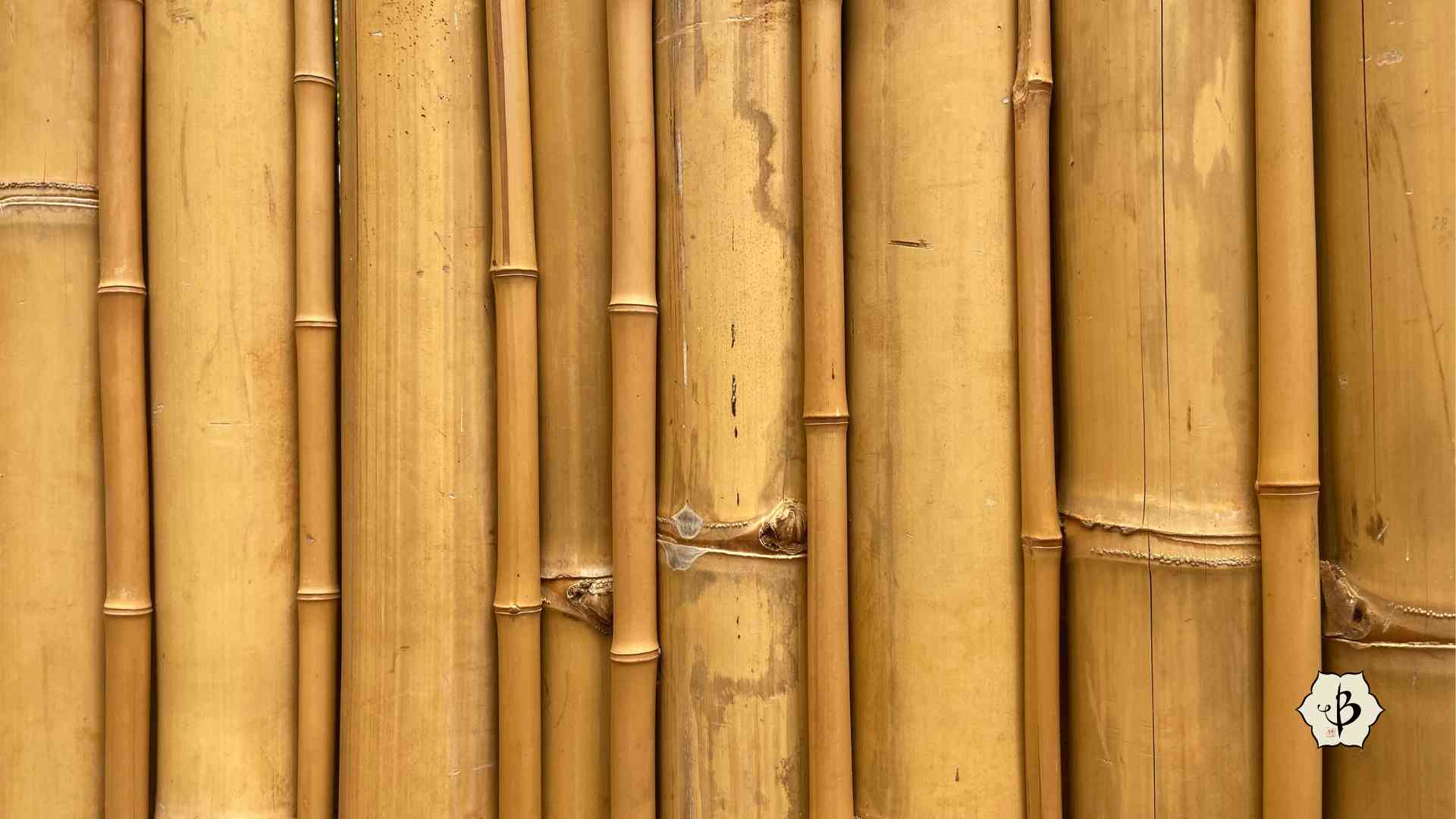
Different markets use bamboo in very different ways, from vineyard supports in Europe to landscaping structures in hospitality developments in the Middle East. Sometimes, engineered bamboo producers want to import pre-processed slats to save on shipping costs and to reduce their own processing requirements.
Is bamboo suitable for construction and green building?
Bamboo is increasingly used in sustainable construction, particularly in non-structural and semi-structural applications such as:
- Cladding and façades
- Interior design elements
- Screening and shading systems
- Lightweight architectural features
- Landscape-integrated structures
Engineered bamboo products are also emerging in flooring, panels, and composite materials. Some engineered bamboo is even functional for outdoor use. Ultimately, suitability depends heavily on treatment, processing level, and compliance with local building standards.
In Europe or North America, you basically have two classes of bamboo building material. Rustic bamboo poles and strips work for temporary structures, art installations, and decorative use, while engineered and laminated bamboo materials are better for structural applications and situations that need to satisfy building regulations.
Is bamboo really sustainable?
Bamboo is often described as a highly renewable material due to its rapid growth and ability to regenerate without replanting. However, sustainability depends on how it is cultivated, processed, transported, and used.
Key considerations include:
- Land use and cultivation practices
- Transport distance and logistics
- Chemical treatments and processing methods
- End-of-life disposal or reuse
Bamboo has extraordinary potential for sustainability, but real sustainability has as much to do with human practices as botanical properties. Request documentaiton of management and harvesting practices. Some producers might even have FCS or similar certification.
Can bamboo be sourced outside China?
Yes. Bamboo is also produced all over the tropics. Regions are farflung as India, Africa, Central America, and Southeast Asia can all produce premium qulaity bamboo.
China has basically created the global bamboo industry as we know it. These other supply chains are generally smaller and more fragmented, but they can offer advantages in terms of direct producer relationships, diversification of bamboo species and products, cusom orders and, project-specific flexibility.
Bambu Batu works specifically with selected producers in these regions, helping bridge the gap between local production and international demand.
Can I import live bamboo plants?
The United States and most other countries have strict regulations about importing live plants. The Department of Agriculture has legitmate concerns about exotic, invasive plants, and the sundry microorganisms that may be nesting under the leaves or burrowing in the soil.
I’ve heard many horror stories about people having their plants held in customs for weeks or months at a time, leading to the demise of their precious and exotic bamboo. In some cases, you may feel it’s worth taking the chance, but just be aware of the risks.
How Bambu Batu can help
One thing I’ve learned over twenty years in the bamboo industry is that sourcing bamboo is about more than just bamboo. It’s about communication, expectations, logistics, and trust.
Bambu Batu has established strong personal and professional relationships with bamboo producers and processors across six continents. It’s our pleasure to provide guidance and support to companies exploring bamboo as a new material, or simply trying to diversify their current supply chains.
If you’re exploring bamboo for landscaping, construction, or sustainable materials development, and need help weighing out the options, or optimizing your logistics, I’m always open to a conversation.
Further reading
If you found this article helpful, stick around, because it’s just the tip of the iceberg. For more expert bamboo knowledge, visit some of these popular pages.
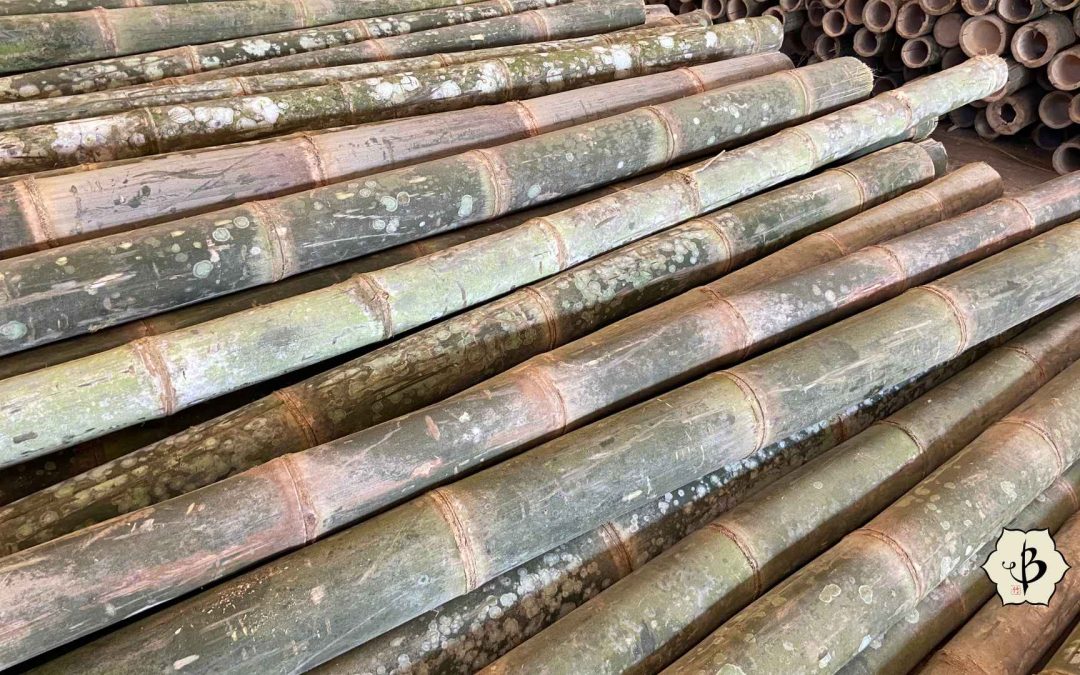
FEATURE IMAGE: Stacks of fresh Giant Apser poles in Southeast Asia. Photos by Fred Hornaday.