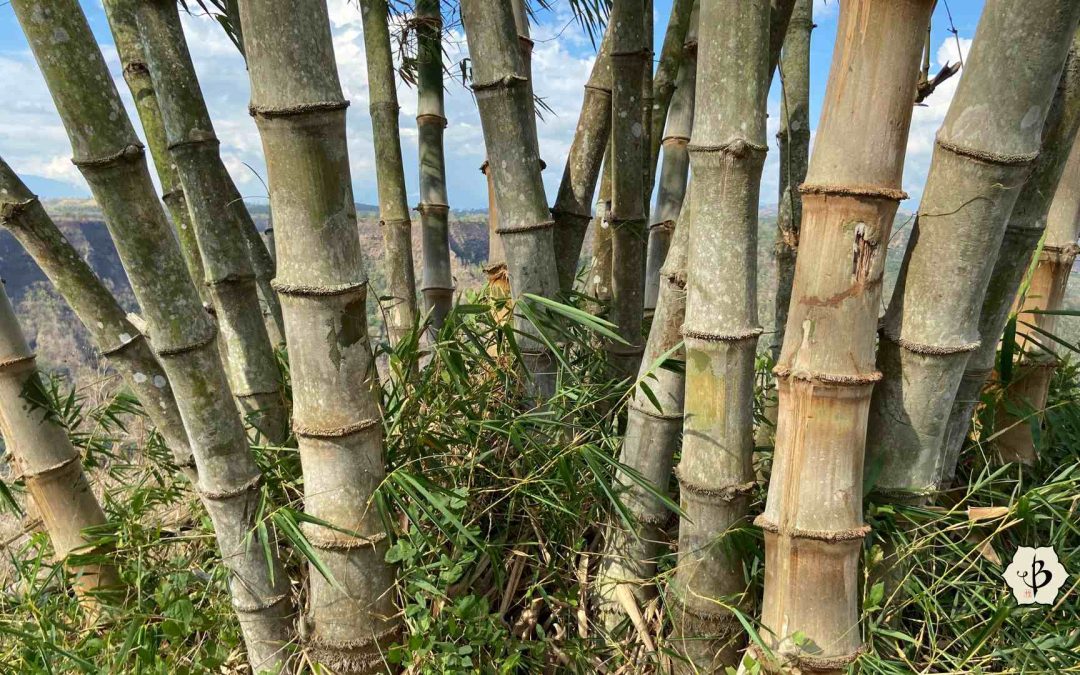
Over the last two decades, bamboo specialist and writer Fred Hornaday has documented hundreds of bamboo species across Asia, Africa, Europe, and the Americas. Through botanical gardens, rural plantations, mountain forests, and experimental farms, his photography captures both the extraordinary diversity of bamboo and the cultures that grow alongside it.
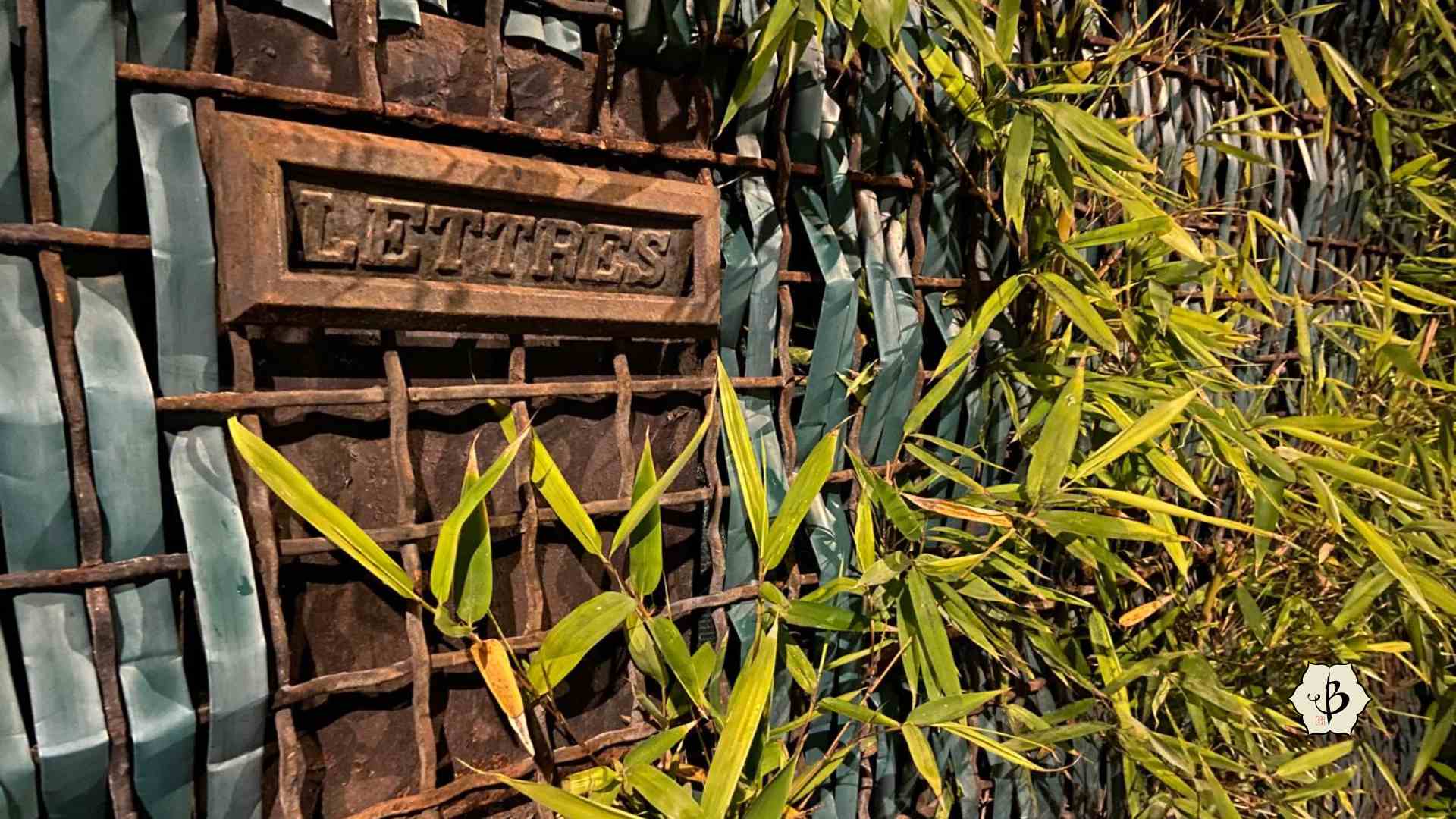
A prolific man of letters, with a background in political science and journalism, Fred has produced several hundred articles about bamboo and sustainable living, as well as multiple volumes of metaphysical limericks — whimsical, lyrical poetry for the soul. He may not measure up to Ansel Adams, but few other bamboo writers have traveled as extensively or captured such a diversity of bamboo specimens in situ.
Global bamboo adventures and field notes
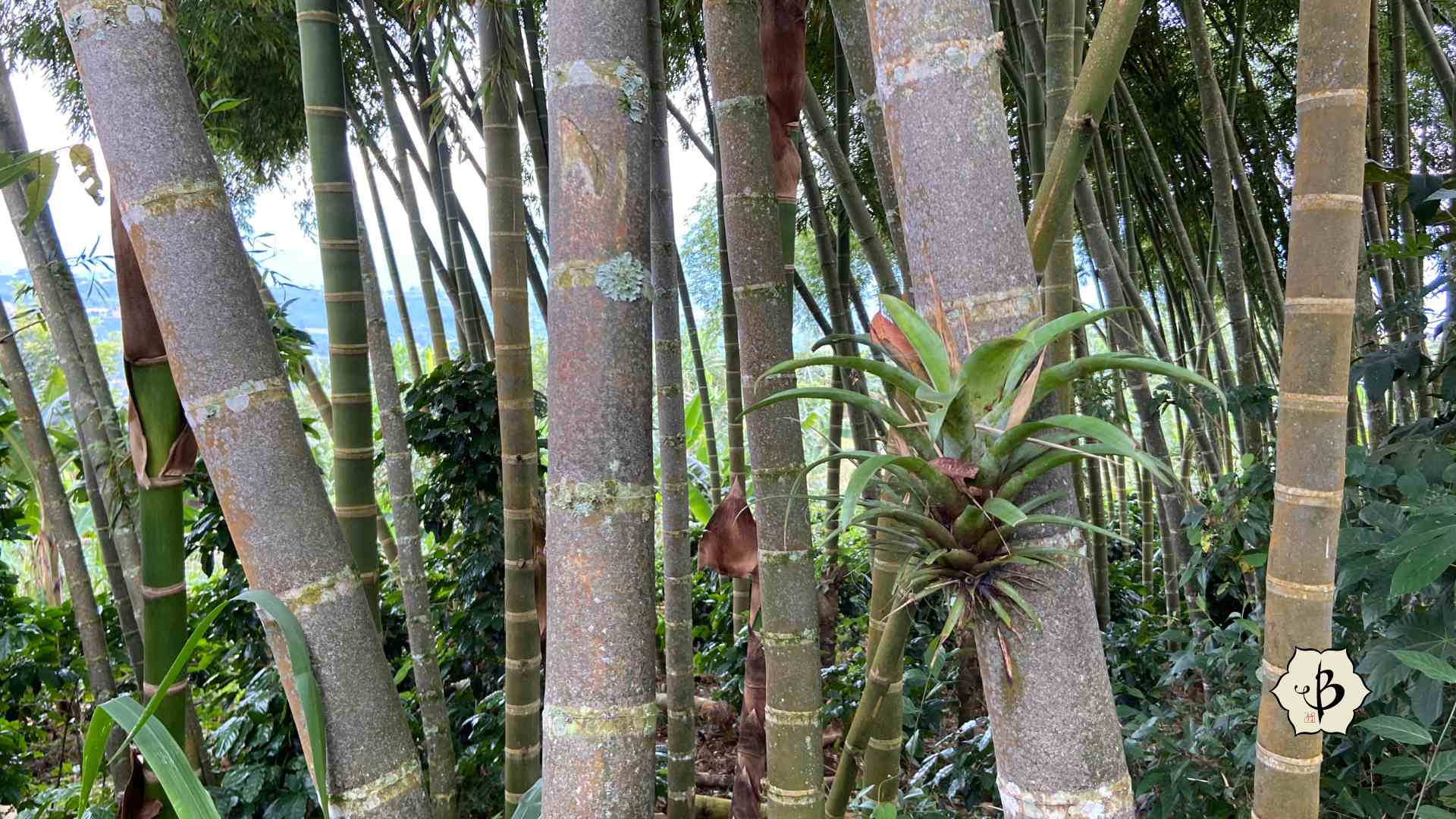
One of the great benefits of being a bamboo specialist is the opportunity to travel to exotic, tropical locations. Most recently (in the summer of 2024), I had the pleasure of returning to Colombia, home to the world’s most impressive stands of Guadua angustifolia, widely regarded as the strongest bamboo species of them all. In Southeast Asia, however, you might find popular opinion leaning more in the direction of Dendrocalamus asper.
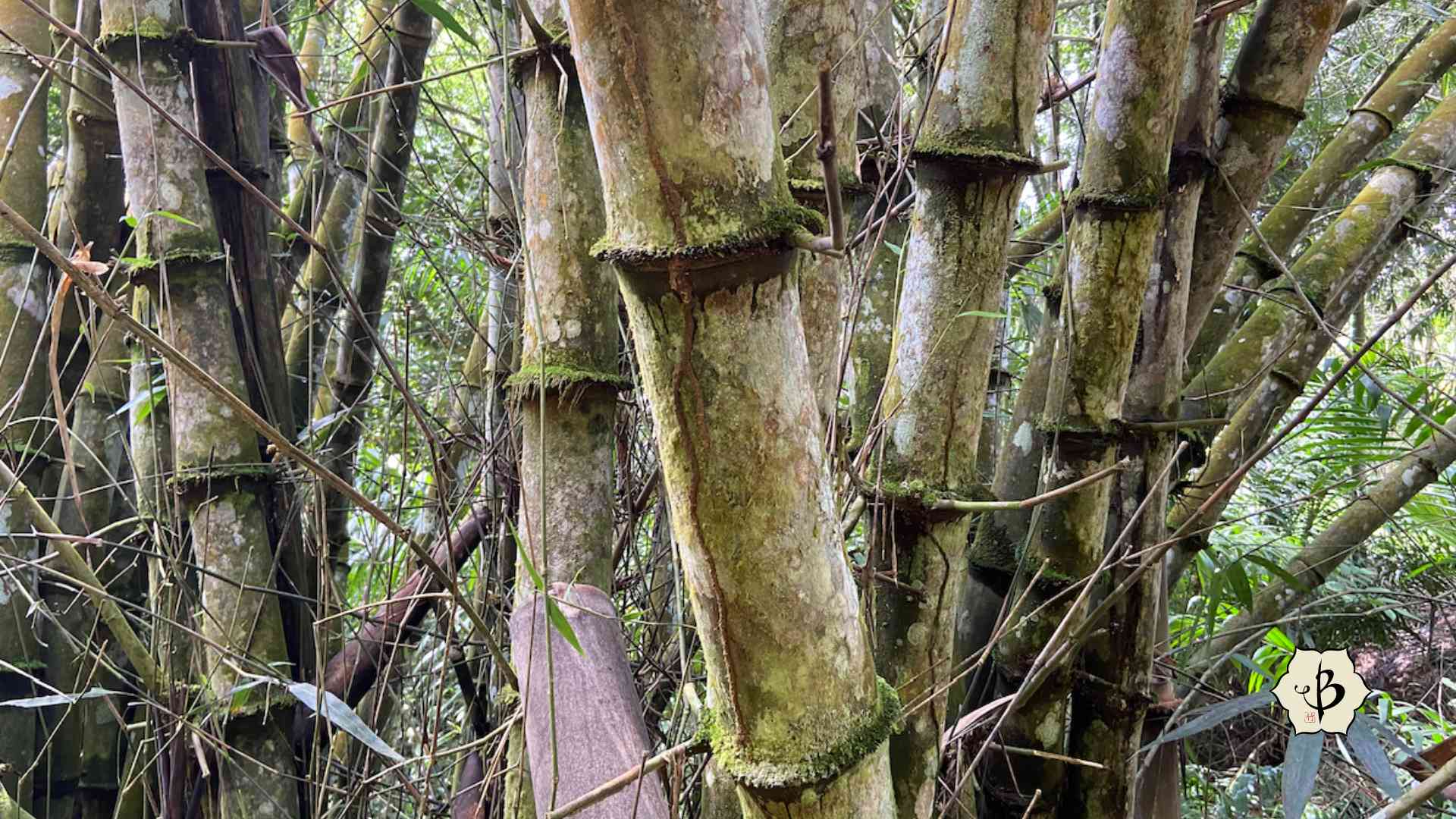
Gratefully, I also had the good fortune to rub against a plethora of Dendrocalamus asper in my travels to Thailand, Malaysia, and the Philippines. Many consider this tropical behemoth the greatest of bamboo varieties. The rivalry between Guadua and Asper has spawned much debate between bamboo nerds and novices alike, also spurring innovation and prompting the international exchange of seeds and seedlings.
In the end, both of these giants are remarkable in their own right, each with its own distinctive properties and characteristics. Which one do I prefer? Whichever one is available. And when in China, do as Moso!
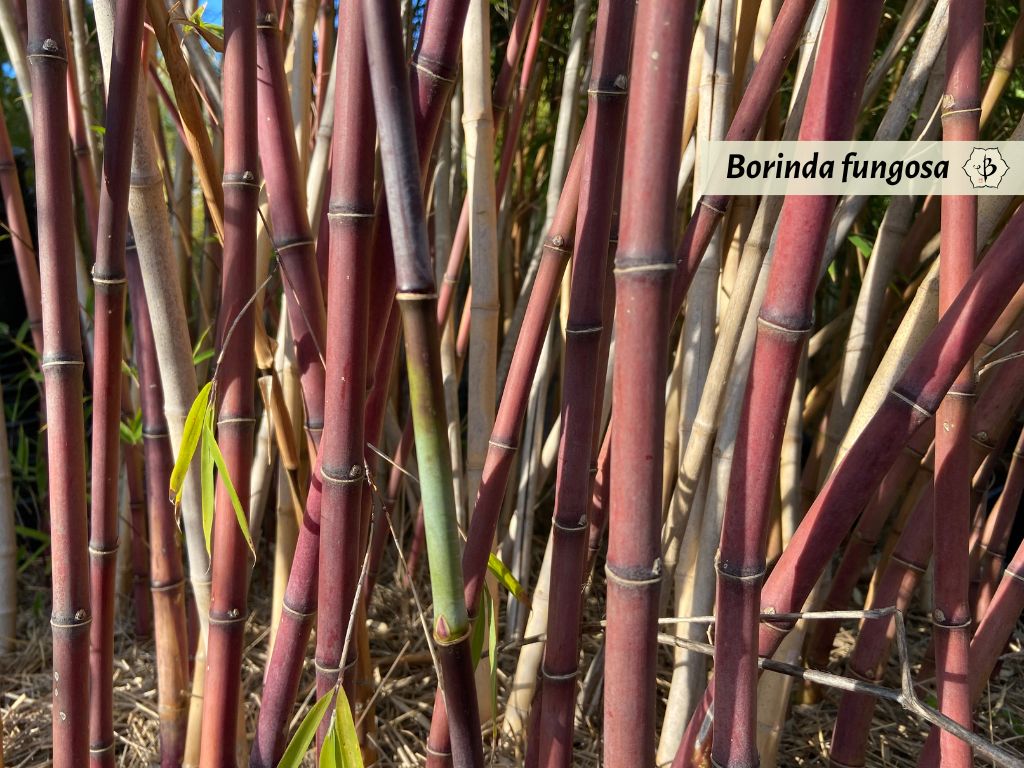
The search for the world’s greatest bamboo is more of an academic exercise than anything else. After all, with more than 1,600 known species and cultivars, the adventure could go on forever. And once you get it into your head, it’s like they say, this invasive plant is just impossible to remove!
Tracking bamboo taxonomy in pictures
Identifying bamboo species is no easy task, but with years of practice, it can bring great satisfaction. The best way to gain experience is by visiting as many nurseries and botanical gardens as possible, locations where bamboo species are clearly and accurately labeled.
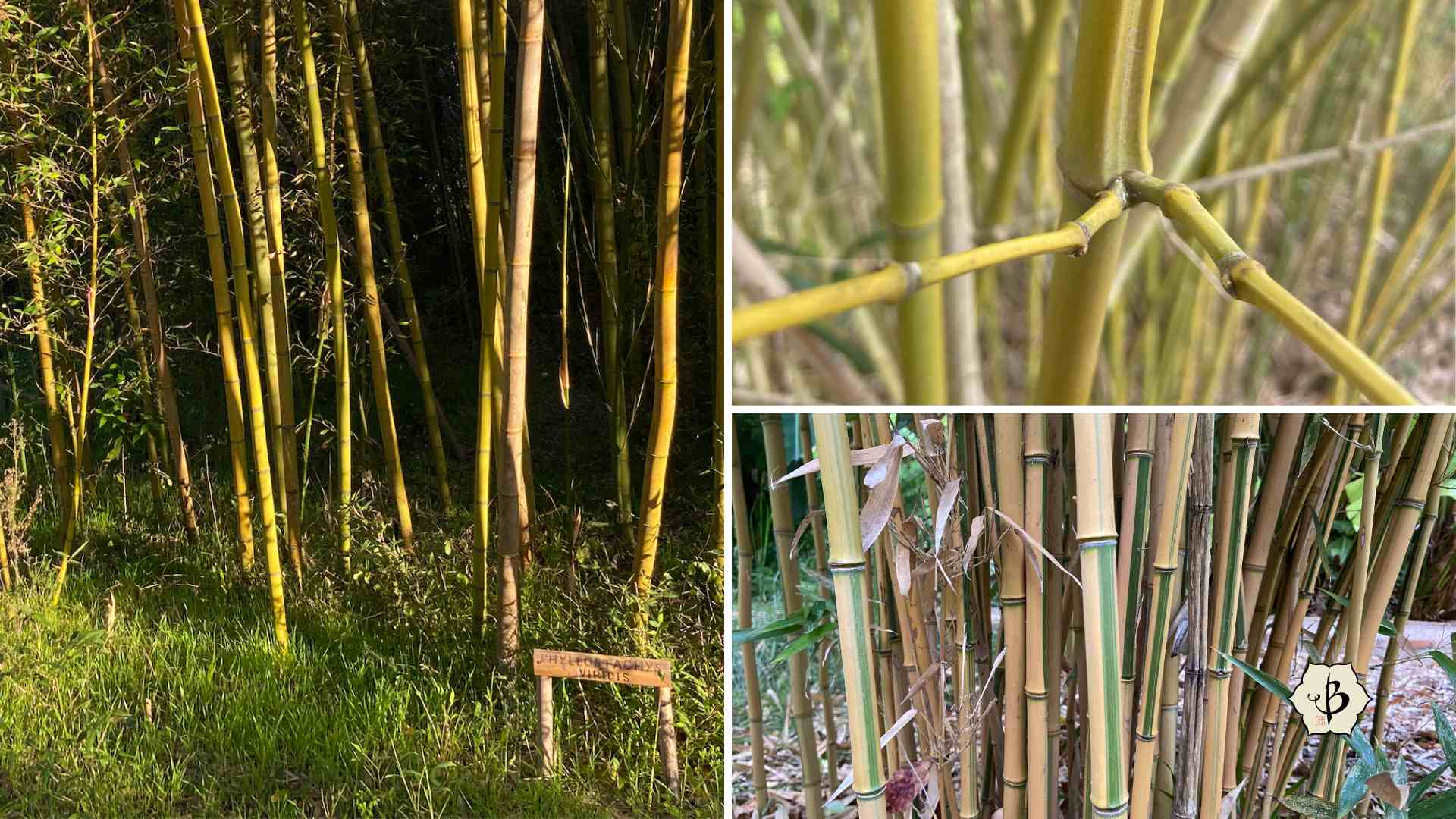
At this point, it’s about Asper vs Guadua or Moso vs Oldhamii. The holy grail is probably Dendrocalamus sinicus, which can reach a towering 150 feet in height. This one continues to elude me, but the Yunnan Province is certainly on my bucket list. In the meantime, I find every opportunity I can to track down and document a new “lifer”.
And you never know where the next opportunity might arise. I’ve always had a penchant for travel, whether local or international, when I can afford it. And early on, I set out to visit as many botanical gardens as I could get to. So I have gotten to quite a few. From Brooklyn to Brazil to Berlin, every great collection of flora indubitably includes a grove or a clump of bamboo here or there.
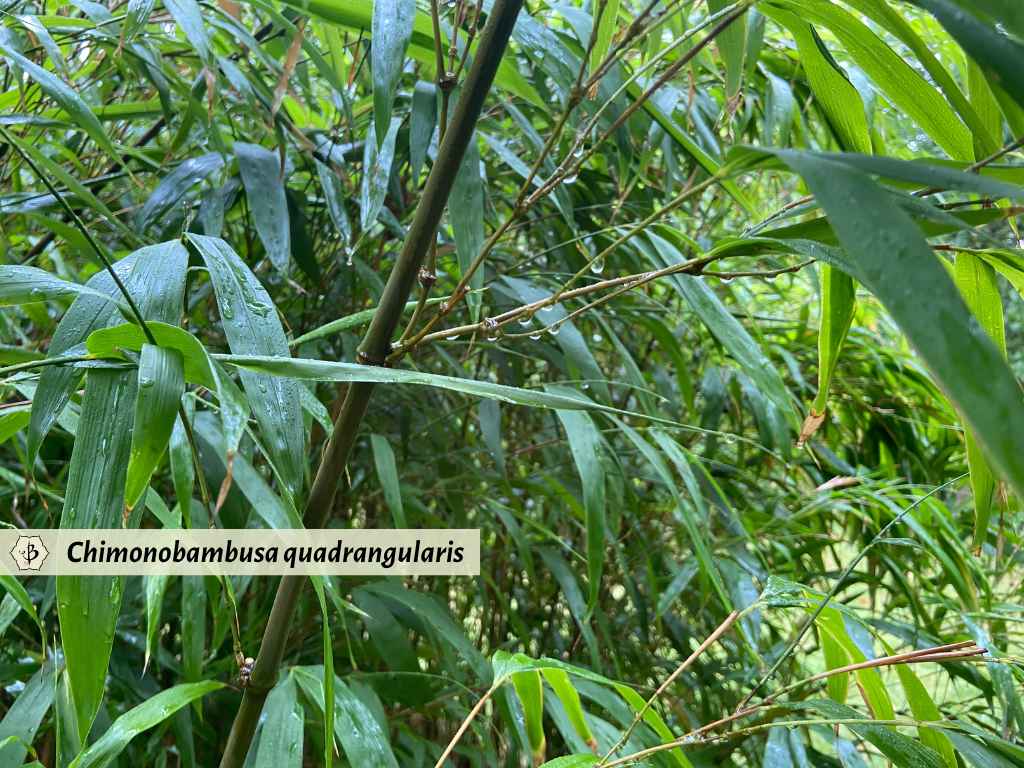
I was astonished by the extensive variety of bamboo species that I stumbled upon in central Lyon, France. This vast botanical garden features a zoo, a complex of greenhouses, and the ineluctable ice cream stand. Temperate bamboo outdoors and tropical species in the hot house, I even had my first encounter with Chimonobambusa quadrangularis, better known as Square Bamboo. I’ll never forget my first time, although I was slightly disappointed that the corners of those quadrangular culms were not nearly as sharp as I had expected.
In Europe and North America, Black Bamboo remains one of the most popular ornamental species. In these climates, Black Bamboo almost always refers to Phyllostachys nigra, the temperate running bamboo. In tropical zones of Asia and Africa however, you have a better chance of running into a big black clumper like Bambusa lako, commonly known as Timor Black Bamboo. I can’t tell you how many times I’ve seen people insisting that a specimen of this tropical, clumping bamboo was Phyllostachys nigra, just because of the color of its culms. Indeed, the rhizome behavior and branching structures differ distinctly.
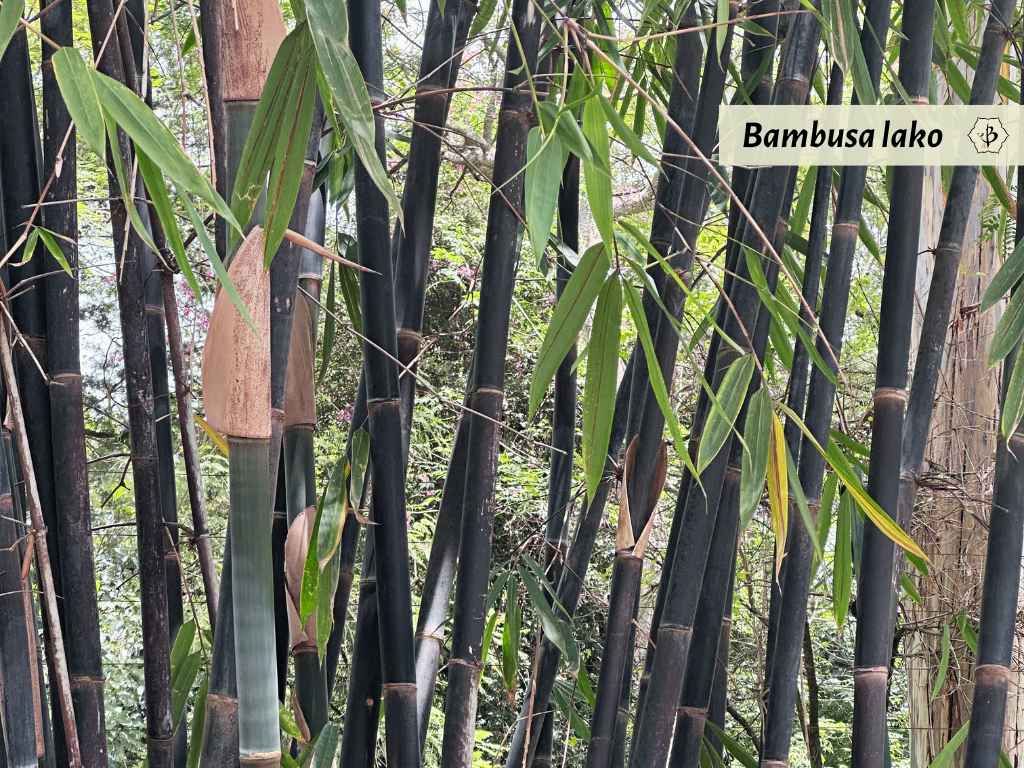
Over the years, I’ve ticked more and more species off my boo-cket list. Some are indiscernible, if not for the inconspicuous placard placed by the local taxonomist or groundskeeper. Others are striking at first glance. Either way, I do my best to capture each and every one on film, with special attention to the defining characteristics.
Focus and shoot
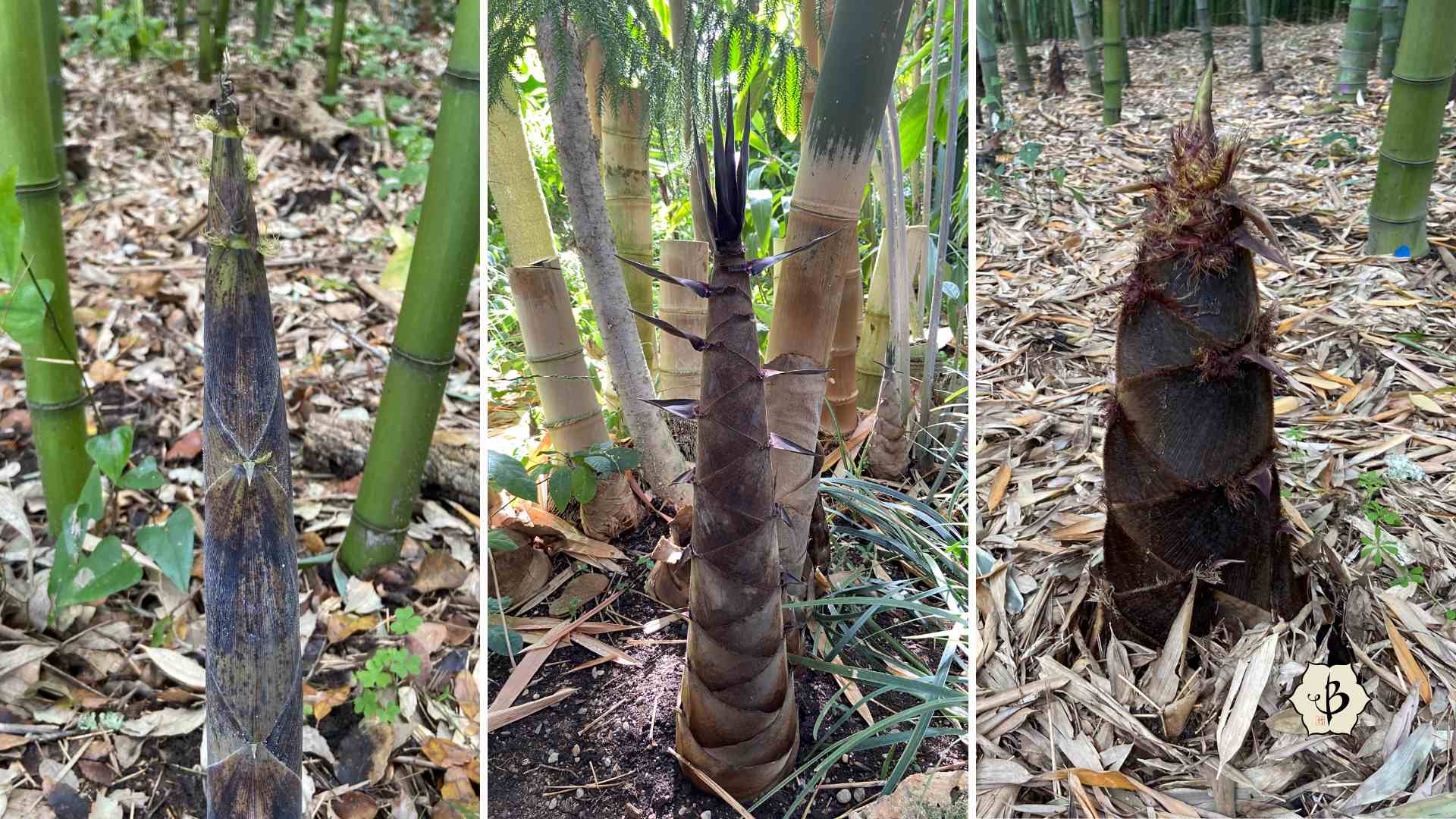
One of the best ways to identify a bamboo species with certainty is to examine the fresh, young shoots. This isn’t easy, because you have to be there at the right time of the year, and the features of the shoots don’t generally correspond to any of the attributes of a full-sized culm. Still, if you tour a bamboo garden in shooting season, and pay some attention, you’ll quickly realize that the differences between shoots can be striking, even when the culms and leaves seem indistinguishable.
In flora essence
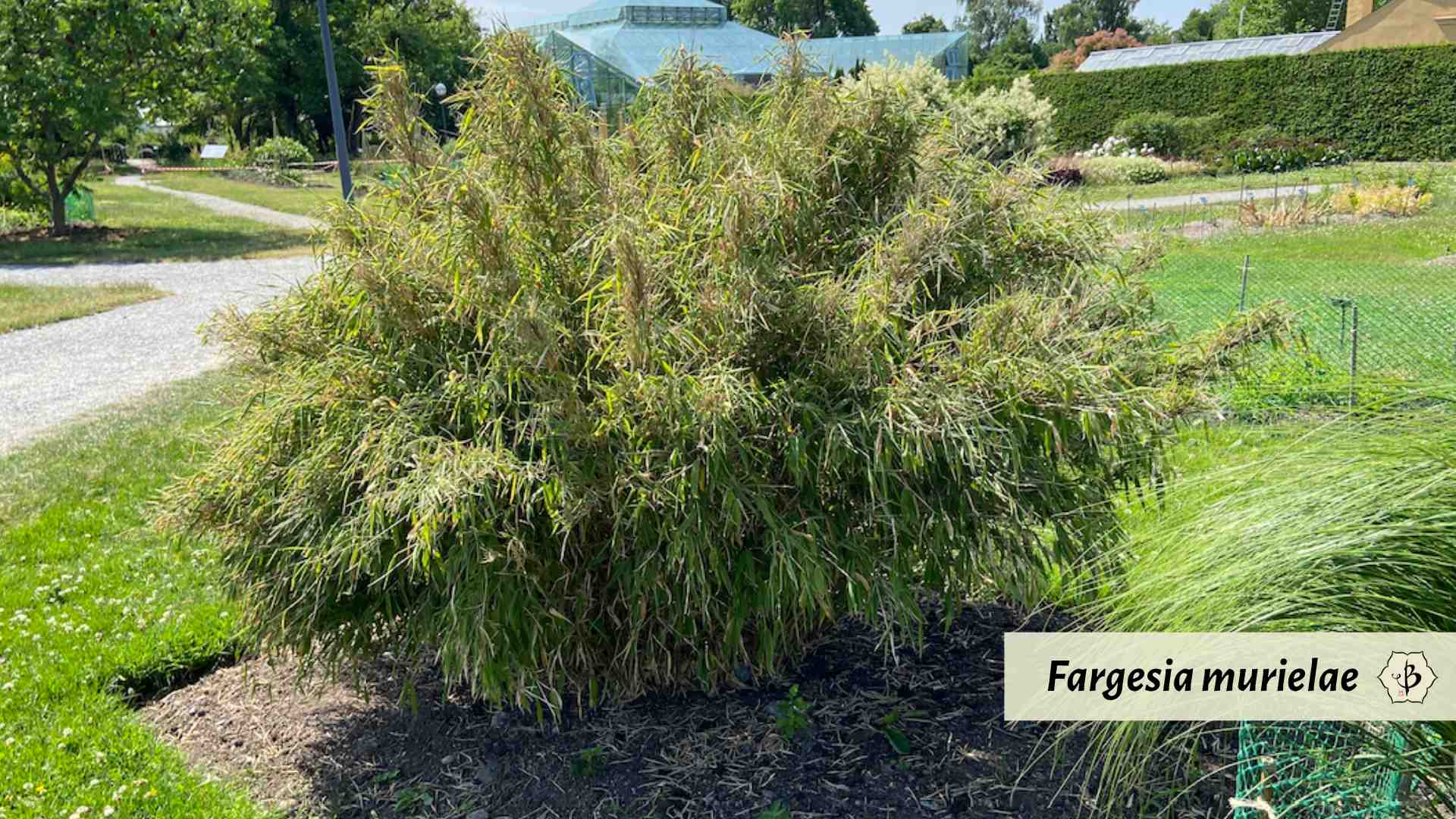
Real experts examine the flowers to identify the species. But that requires a degree of botanical expertise that goes well beyond the abilities of ordinary humans.
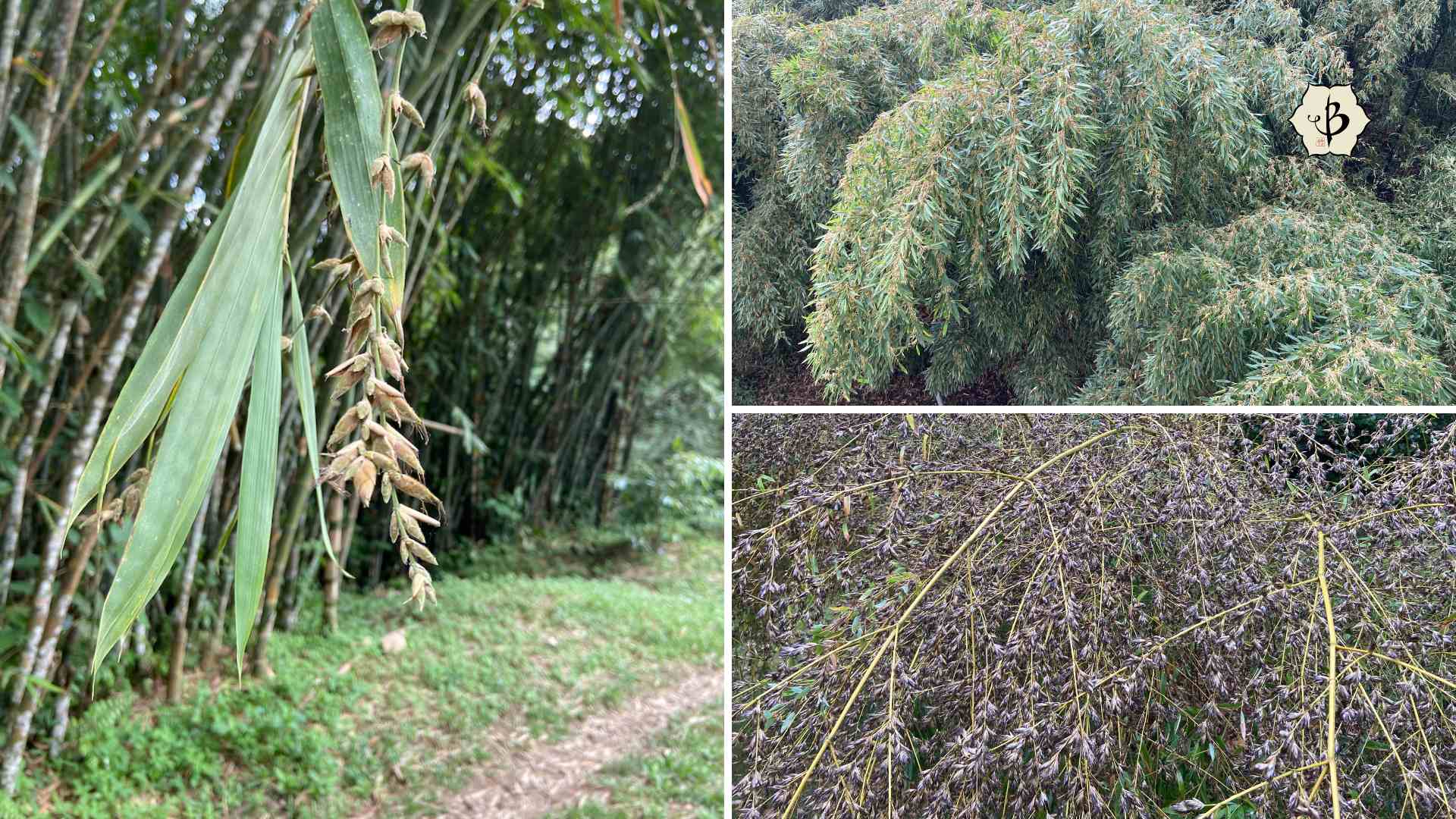
Bamboo flowers are one of the great mysteries of the plant kingdom. The periods between flowering cycles can vary from yearly to over a century. So any opportunity to photograph a bamboo flowering event is a gift. I’ve been fortunate enough to enjoy the presence of blooming bamboo on multiple occasions.
Between 2022 and 2026, Phyllostachys nigra and all its cultivars (including Henon) underwent a worldwide, gragarious flowering event. The literature indicates that this flowering cycle is about 100 years long, making it something of a once-in-a-lifetime experience. I was able to document this rare spectacle at nurseries and botanical gardens in London, Lyon, and Essen, as well as the Bambu Parque in Portugal. Among others, I’ve also had the pleasure of photographing the sporadic flowering of Gigantocalamus malpenensis and Schizostachyum brachycladum in Malaysia and the Philippines, respectively.
Bamboo people
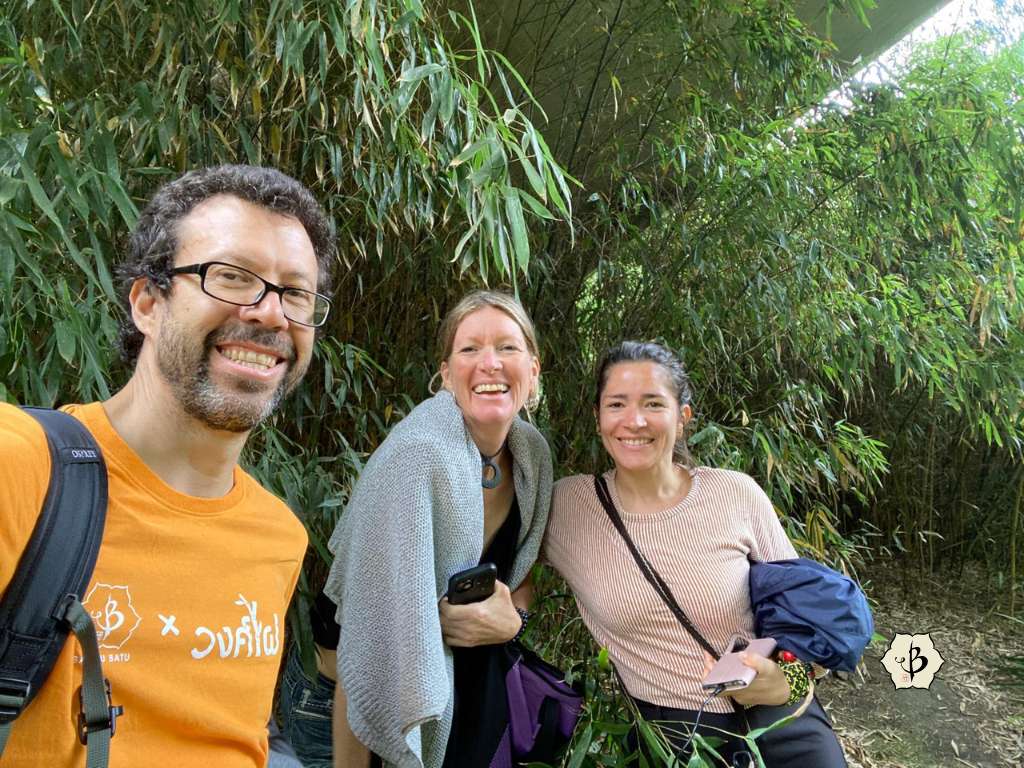
No bamboo photo collection would be complete without the obligatory, low-resolution selfie. The following photo comes from the Essen Botanical Gardens, following the 2nd annual European Bamboo Expo in Dortmund, Germany in May 2024. A big thanks goes out to Natalia Reategui and Shanti Pierce for entertaining my obsessive mission to visit every notable botanical garden on Earth.
Bamboo Beauties
If you love the look and feel of bamboo, you can find hours and hours of sustainable eye candy right at Bambu Batu and on my dedicated YouTube channel. The following articles and videos are a great place to start.
- 17 Surprising facts about bamboo
- A pictorial history from the House of Bamboo
- Bamboo adventure at Kew Gardens
- Exploring the Phyllostachys at Bambu Parque
- Life is beautiful with bamboo
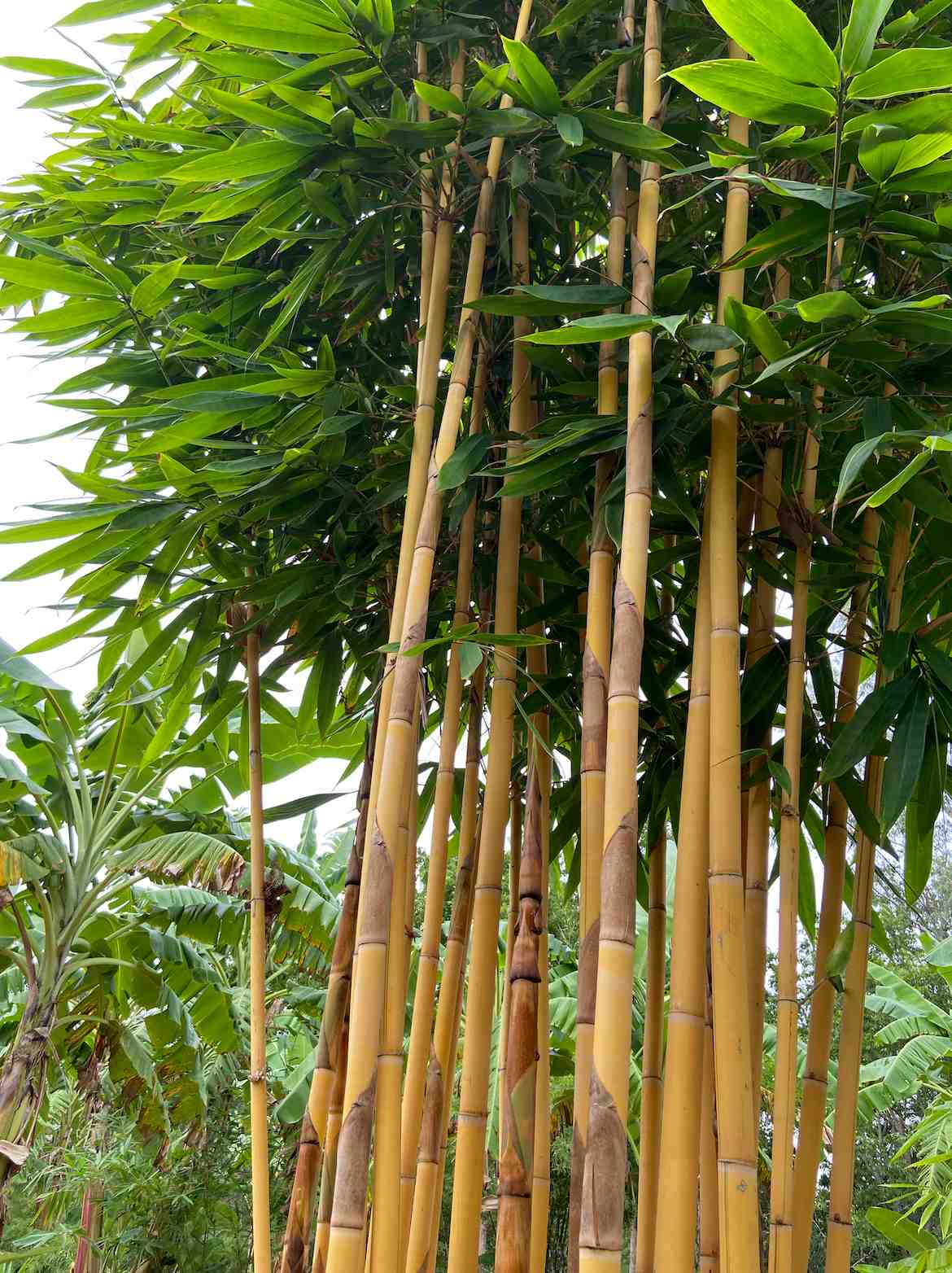
FEATURE IMAGE: Dendrocalamus asper in the Philippines. All photos by Fred Hornaday. All rights reserved.