Phyllostachys heteroclada is a medium-sized running bamboo prized for its unusual ability to thrive in damp and poorly drained soils. Commonly known as Water Bamboo, this hardy Chinese species grows vigorously in conditions that would challenge many other temperate bamboos. With attractive green culms, dense foliage, and excellent cold tolerance, it makes an effective privacy screen and a valuable choice for gardens with seasonal flooding or persistently wet ground.
This article is part of an ongoing series about different species and cultivars of bamboo. To learn more, be sure to check out our Complete Guide to Growing Bamboo and our comprehensive Directory of Bamboo Species. You may also be interested in these temperate bamboo varieties.
NOTE: This article first appeared in February 2025, most recently updated in June 2026.
Quick facts about Phyllostachys heteroclada
- Scientific name: Phyllostachys heteroclada
- Common name: Water Bamboo
- Growth habit: Running bamboo
- Native range: Central and eastern China
- Climate: Temperate
- Cold hardiness: Approximately -5 to 0°F (-20 to -18°C)
- Height: 30–40 feet
- Culm diameter: Up to 2 inches
- Light requirements: Full sun to partial shade
- Water needs: Moderate to high; especially tolerant of damp and poorly drained soils
- Soil preferences: Moist, loamy soil; adapts better to wet ground than most bamboo species
- Primary uses: Privacy screens, ornamental landscapes, wet areas, bamboo collections
- Special characteristics: Air-filled rhizomes adapted to waterlogged soils, vigorous growth rate, attractive green culms, exceptional wet-soil tolerance
- Maintenance notes: Requires rhizome containment in most garden settings; benefits from regular irrigation during establishment and periodic feeding with compost or manure
Characteristics of Phyllostachys heteroclada
P. heteroclada is a medium-sized bamboo with poles reaching 30-40 tall in ideal conditions. Individual culms can get up to 2 inches in diameter. This bamboo prefers full sun but can tolerate partial shade and temperatures up to 100º F and below 0º. For best results, this species should be planted in loamy soil and periodically fed with compost or light manure. Although Water Bamboo tolerates moist conditions exceptionally well, established plants can adapt to a range of conditions, provided they receive adequate moisture during dry periods.
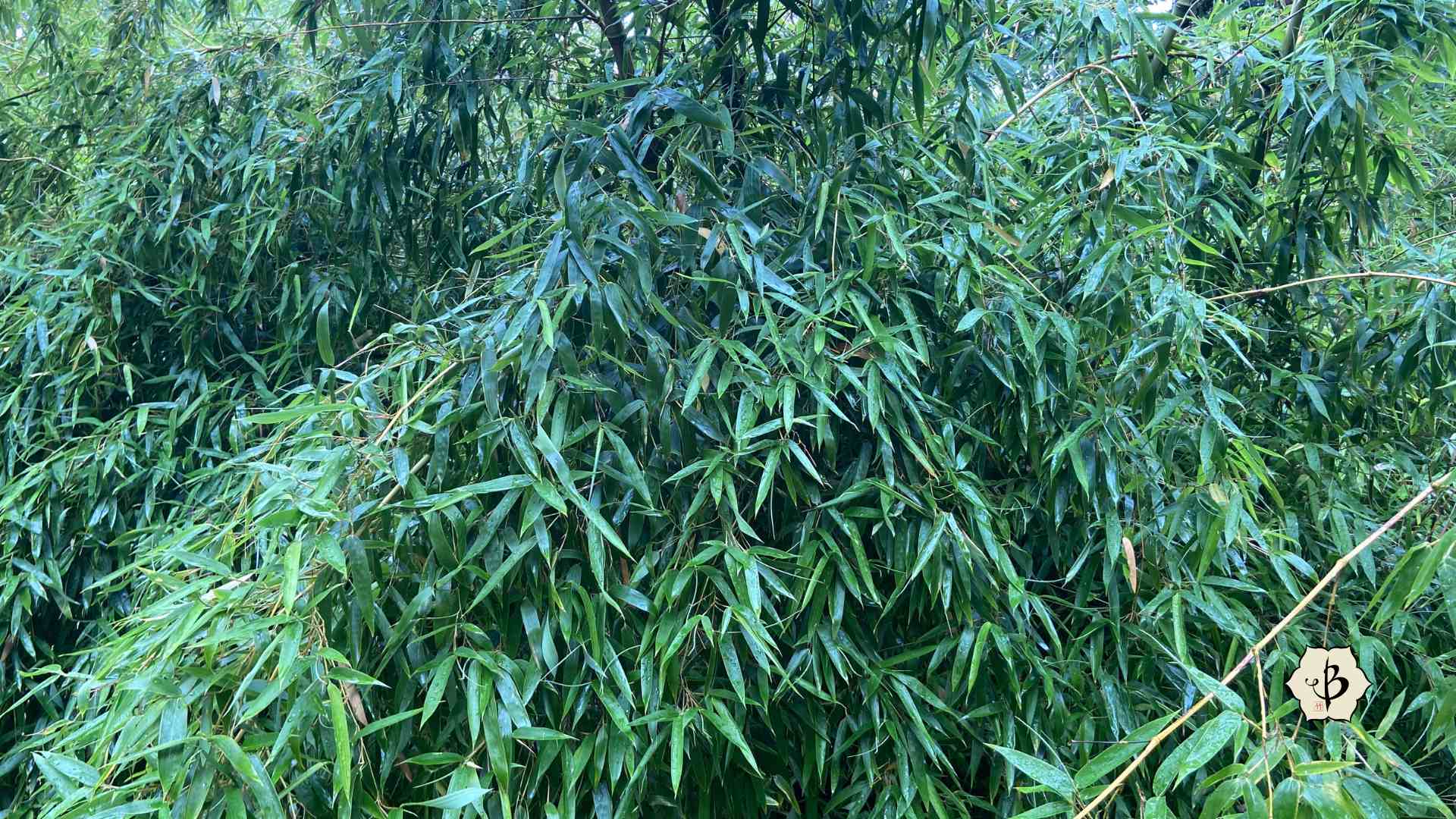
In most respects, this Chinese bamboo species is very similar to other varieties of Phyllostachys. But the most distinguishing characteristic is the aerial canals (aerenchyma) inside the rhizomes, which allow this bamboo to survive in wet soil much better than other species. Hence the nickname: Water Bamboo. These features are not visible from the outside, but they essentially allow the plant to “breathe,” making it possible to move air from the damp soil into the culms.
Light green culms and thick, generous foliage make this a desirable ornamental bamboo, especially among collectors. But it is not an easy species to find. You probably need to visit a bamboo specialty nursery. Its vigorous growth rate makes Phyllostachys heteroclada particularly popular as a privacy hedge, filling in quickly with luscious green leaves and tightly clustered culms. Containment trenches or rhizome barriers are strongly recommended unless you have an unlimited area for this plant to spread.
Habitat
Native to central and eastern China, Phyllostachys heteroclada typically grows in moist valleys, stream corridors, and other low-lying areas where soils remain damp throughout much of the year. Its specialized rhizomes, with air channels that help transport oxygen through waterlogged soil, allow it to tolerate wet conditions better than most bamboo species.
Visit our in-depth article on Bamboo in swamps and wetlands to learn more
Phyllostachys heteroclada ‘Solida’
P. heteroclada also has a subspecies called Phyllostachys heteroclada ‘Solida’ with solid culms. This solid variety is also very suitable for wet and soggy soil. Even so, do not plant this or any other bamboo species directly into a pond or a swamp. Contrary to popular belief, even Water Bamboo cannot survive indefinitely in standing water or swamp-like conditions. Moist soil is beneficial, but bamboo roots still require access to oxygen.
Learn more
For more information about cultivating and maintaining a healthy bamboo garden, take a look at these other articles.
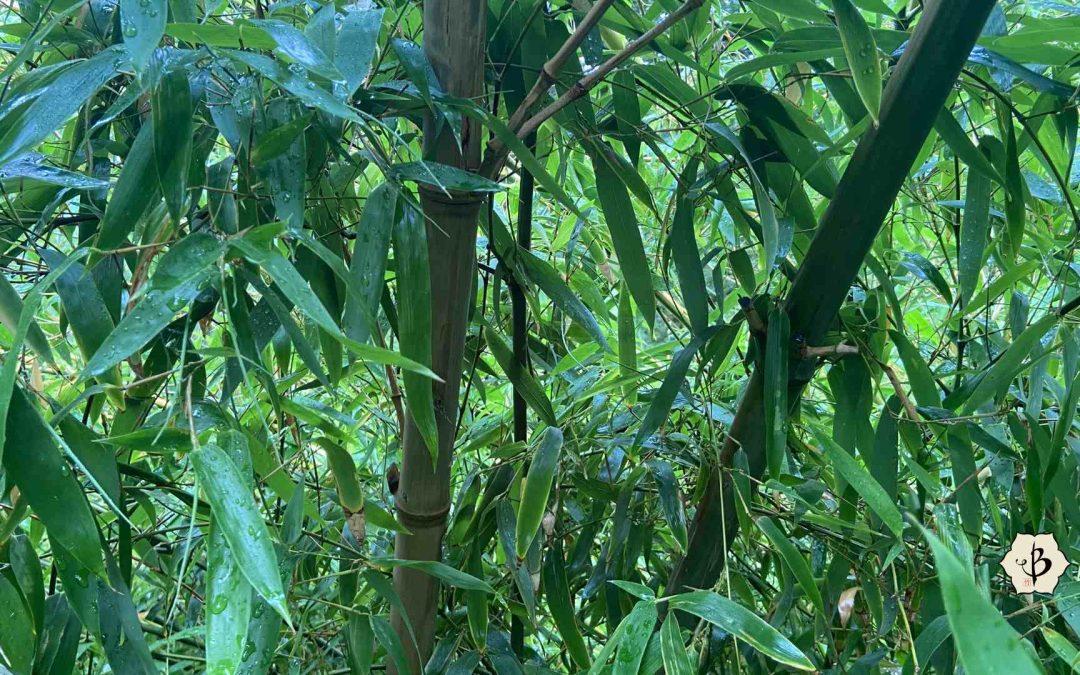
FEATURE PHOTO: Phyllostachys heteroclada soaks up the ambient humidity on a rainy summer day at Kew Royal Gardens in London. Photo by Fred Hornaday.