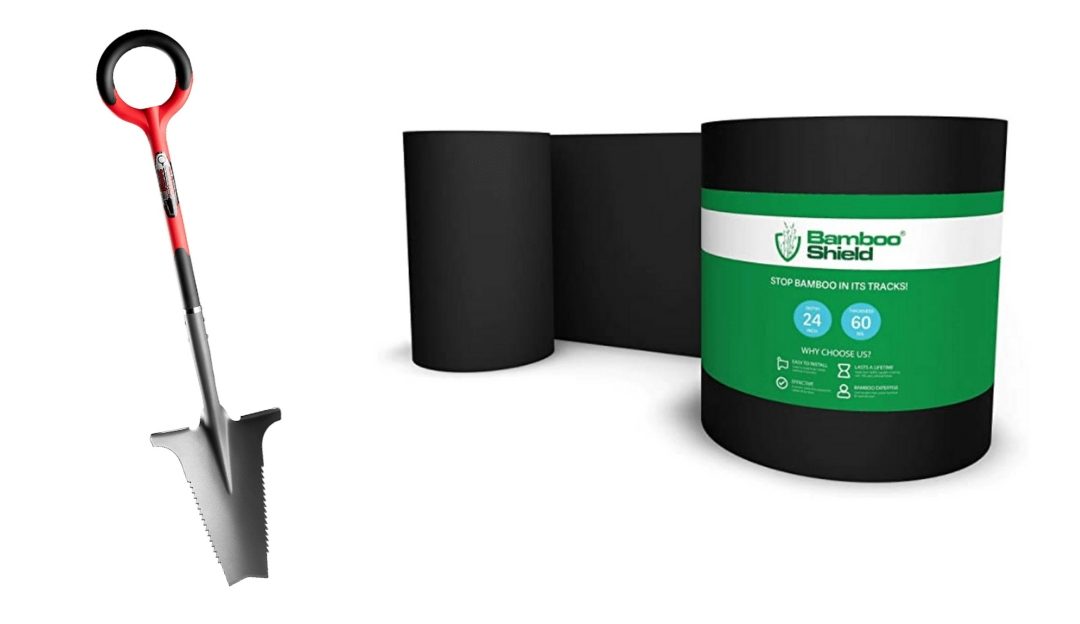
Bamboo is remarkably low-maintenance, until it isn’t. A mature grove may only need occasional pruning and cleanup, but running bamboo can quickly become difficult to manage without the right tools. Fortunately, a few dependable saws, shovels, and pruning tools can make bamboo maintenance dramatically easier.
Disclosure: Bambu Batu participates in various affiliate marketing programs, including Amazon Associates, which means we may get paid a small commission, if you follow a link and make a purchase. This is an easy to support Bambu Batu, at no additional cost to yourself, helping us maintain the website and provide free content for bamboo enthusiasts worldwide.
NOTE: This article first appeared in September 2021, most recently updated in May 2026.
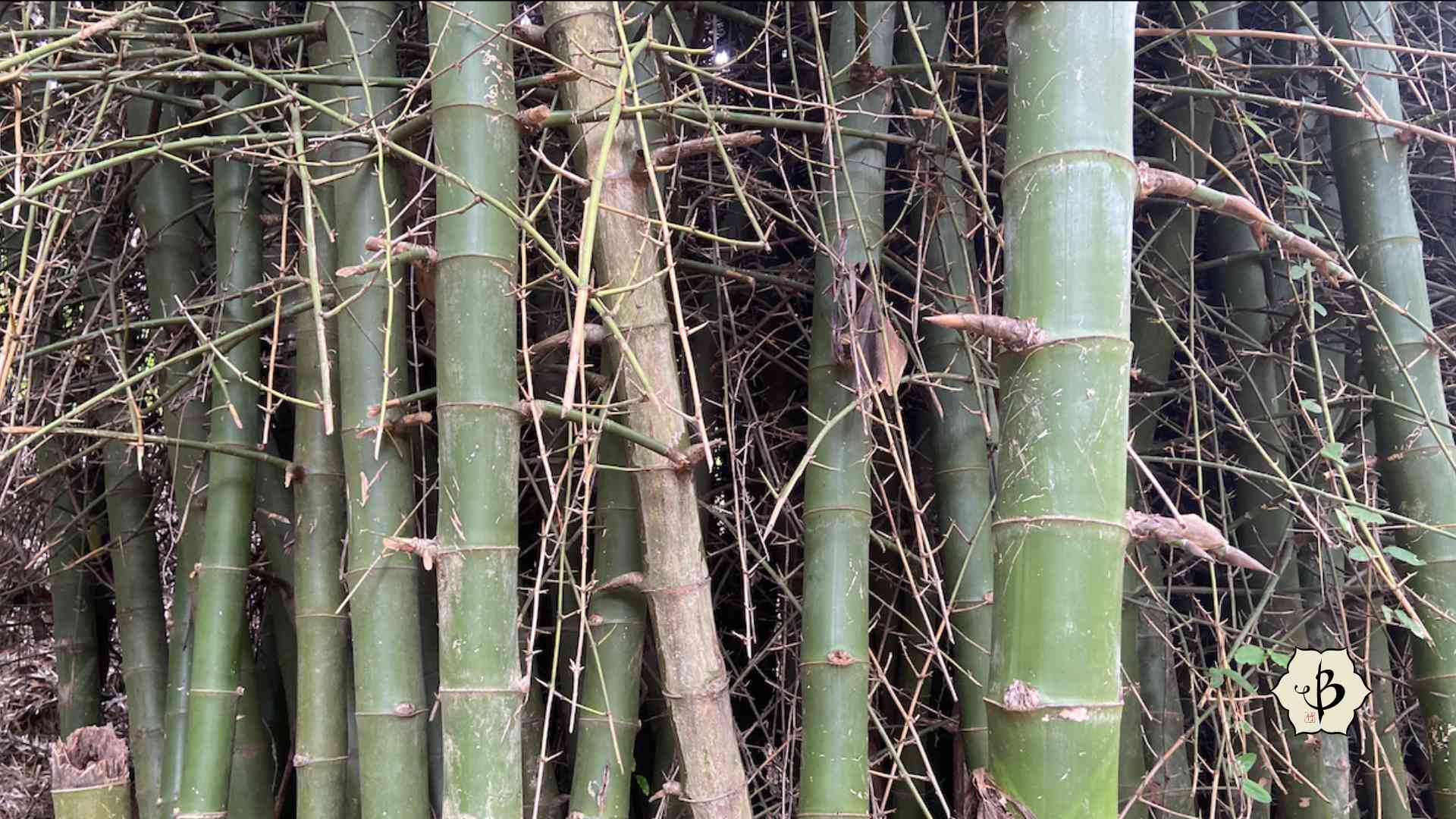
Quick tools for bamboo maintenance
In the following article, we’ll review our best recommendations for these critical tools:
- Folding handsaw: pruning mature culms
- Bypass shears: trimming branches and foliage
- Root-cutting shovel: digging rhizomes and trenches
- Reciprocating saw: removing old bamboo root masses
- Rhizome barrier: preventing invasive spread
- Work gloves and eye protection: essential safety gear
Best saws and pruners for bamboo
It’s fun to watch your bamboo culms take off and reach for the sky. But eventually, you’ll probably want to cut some of them back. In an older grove, for example, it’s important for both health and appearance to go in and cut out the oldest canes. After several years, they tend to lose their color and begin to crack.
Sometimes it also helps to thin out some of the lateral branches, depending on the species of bamboo. For bamboo varieties with especially interesting culms, like a striped species or square bamboo, it’s nice to show off the unusual culms by pruning and removing all the lower branches, below 3 or 4 feet.
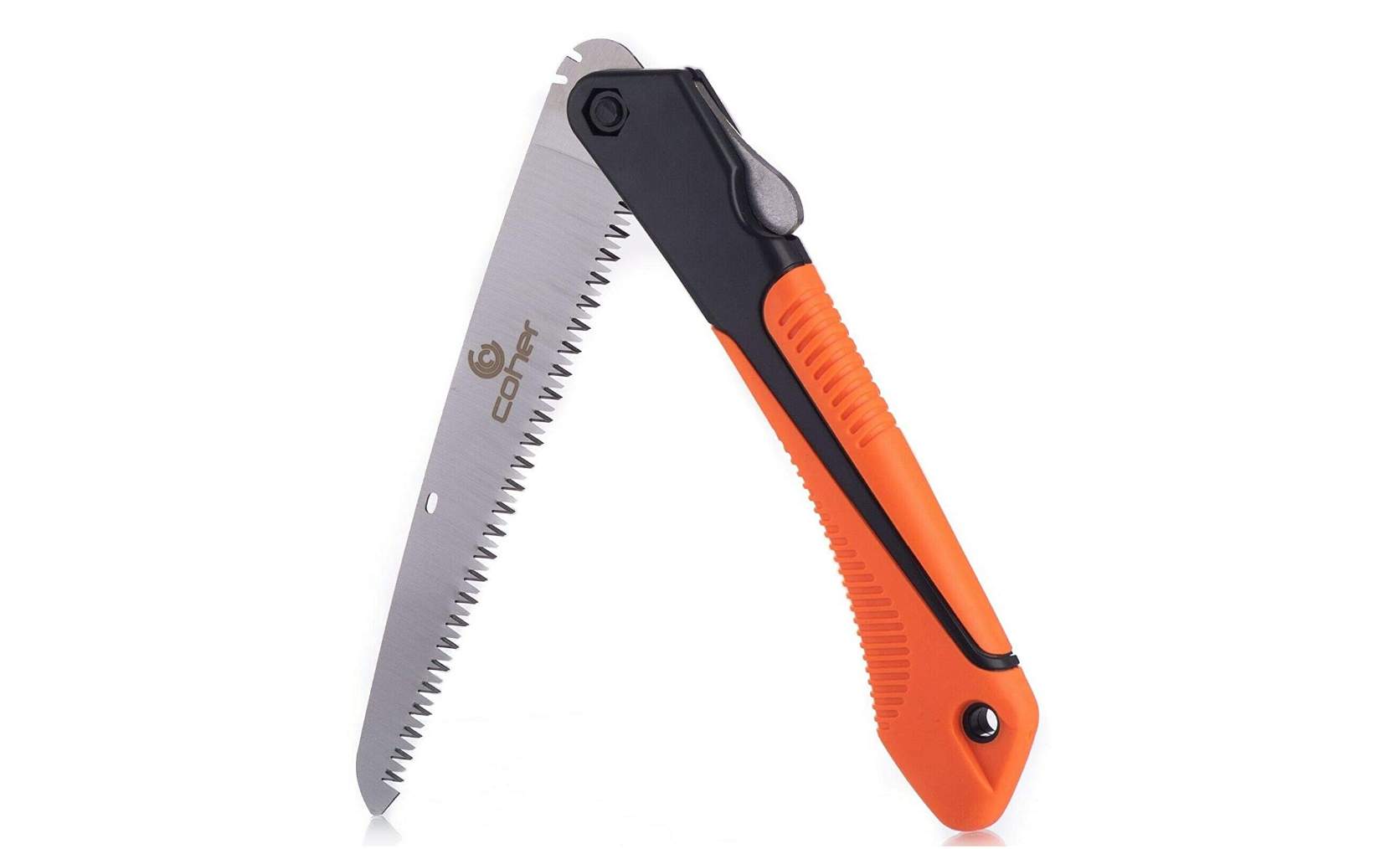
To thin your grove, harvest mature poles, or remove an old, unattractive cane, use a small wood saw like this Ergonomic Folding Handsaw from Coher, available from Amazon, and cut as low to the ground as possible.
For pruning the side branches, a sturdy set of garden shears, or secateurs, works great. You’ll end up using these often, all over the garden, so invest in a quality pair like these 8″ Professional Bypass Shears from Gonicc. They easily slice through branches up to 3/4″ thick.
Best shovels for bamboo root removal
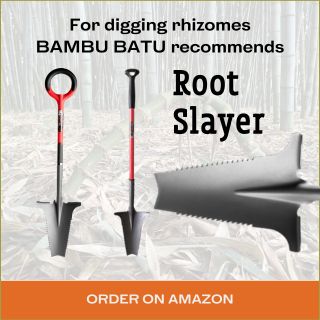
When it comes to digging around your bamboo, those dense rhizomes and fibrous roots can be a challenge. But these days it’s easier, thanks to the Root Slayer family of shovels from Radius Garden.
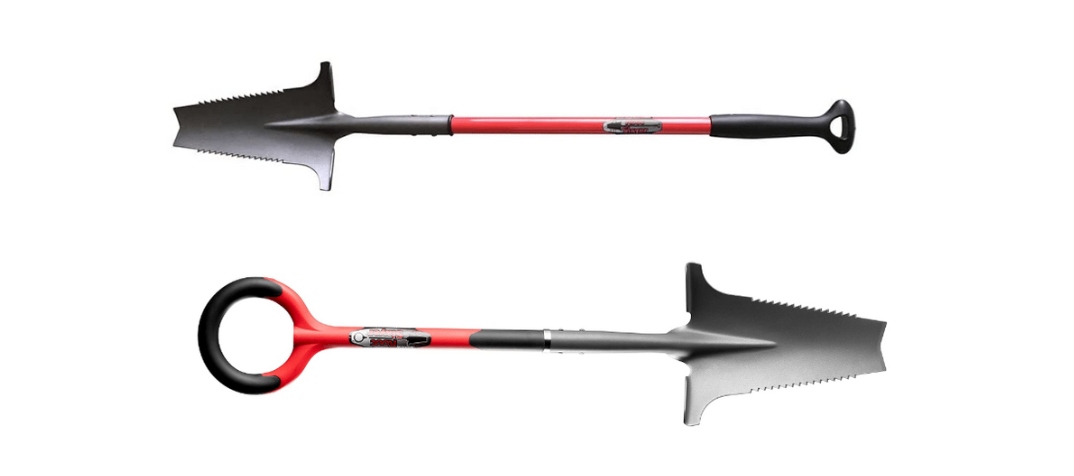
With carbon steel blades and handles, these heavy-duty shovels and spades will stand up to even the most tenacious bamboo root ball. Best of all, you can use the serrated edge on the side of the shovel blade to saw through that underground logjam. The 45″ Root Slayer Shovel and the 39″ Root Slayer Nomad are just perfect for digging up bamboo. The inverted tip makes them great for removing all sorts of weeds as well.
Best power tools for removing bamboo rhizomes
When a bamboo plant has been around for years and years, or you’re dealing with a massive timber bamboo, you might need to bring in some heavy artillery. When roots and trunks are more than a couple of inches thick and crowded together in a tight cluster, a little handsaw just might not be enough.
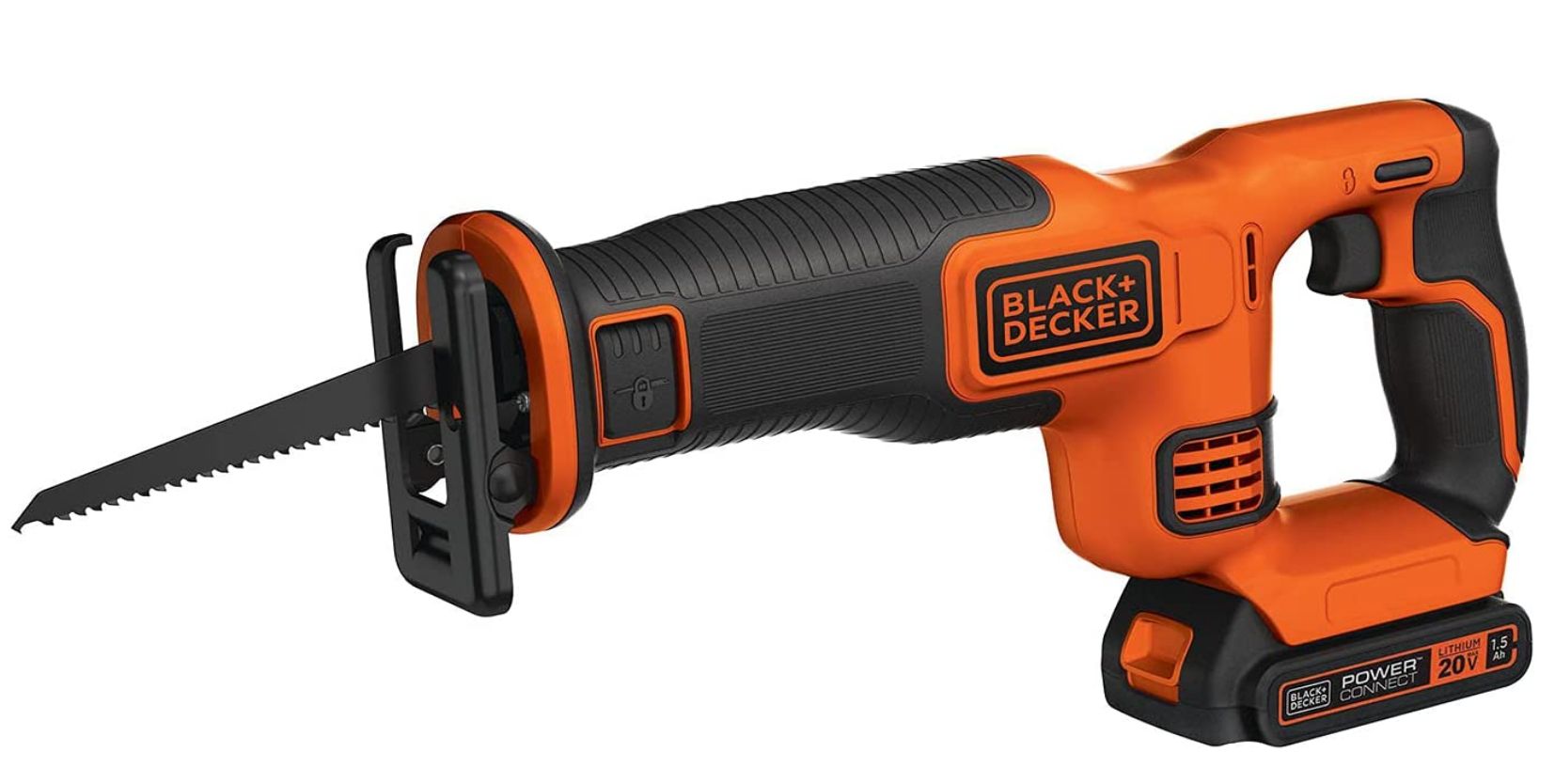
This is a job for the reciprocating power saw, more commonly known by the brand name, Sawzall, manufactured by Milwaukee Electric Tool. They have a Cordless Hackzall on Amazon that can cut through mature rhizomes with surprising efficiency. But despite the brand name recognition, the bestselling reciprocating saws today come from Dewalt, Black + Decker, and Makita.
Take a look at the 120-volt Dewalt Reciprocating Saw with a 12-amp motor and a heavy-duty cable. Blades are sold separately.
The 20-volt cordless Reciprocating Saw from Black + Decker is also a very popular model. This saw comes with a blade, and you can always purchase additional blades in more sizes. This is probably our favorite saw, as the cordless tool has big advantages when working outdoors.
Makita also makes a Recipro Saw that runs on 12 amps and 120 volts. It comes with two blades, one for metal and one for wood. It also plugs in.
Best bamboo root barriers
If you want to avoid a ferocious entanglement with a mess of sprawling roots and rhizomes of a running bamboo plant, your best defense is to be proactive. Bamboo Shield makes the best barrier against the underground menace.
Their rhizome barriers come in a few sizes, for tropical or temperate conditions, and harder or softer soil. In most cases, you’ll want Bamboo Shield’s 30″ deep barrier that’s 80 mil (2 mm) thick. In wetter and warmer climates, or in sandy soil, you may need to dig deeper and plant a 36″ deep barrier with 100 mil thickness.

Take a look at this in-depth article on Bamboo Root Barriers to learn more about how they work and how to install them. Another method is to Dig a Containment Trench around your bamboo grove. We have a great article about that, too.
Safety gear for working with bamboo
Bamboo might look graceful and harmless in the garden, but once you start pruning mature culms or digging through dense rhizomes, things can get rough in a hurry. Sharp pruning blades, splintered canes, thorny branches, and flying debris all make bamboo maintenance more demanding than the average gardening chore. A good pair of heavy-duty work gloves is essential, especially when handling dry poles or cutting older culms that tend to crack and splinter. Bamboo splinters can be surprisingly nasty, so this is not the place to skimp on protection.
Eye protection is equally important, particularly when using reciprocating saws, loppers, or powered trimmers. Bamboo branches have an uncanny ability to snap back toward your face the moment you cut them loose. A sturdy pair of safety glasses or wraparound goggles can save you from a very unpleasant afternoon. If you’re using power tools for extended periods, hearing protection is also a wise investment. Cordless reciprocating saws may be convenient, but they still produce plenty of noise when chewing through thick bamboo roots and culms.
Proper footwear can also make a major difference when digging or clearing bamboo. Thick rhizomes create uneven ground that can be slippery and unstable, especially after watering or rain. Durable work boots with good traction help prevent slips and twisted ankles while hauling poles or wrestling with root balls. Long sleeves and sturdy pants are also advisable when working with thorny bamboo species, like certain varieties of Guadua.
Bamboo gardening doesn’t require a hard hat or a bullet-proof vest, but a little protective gear goes a long way toward keeping the work enjoyable and injury-free.
FAQs about bamboo tools
What is the best tool for cutting bamboo rhizomes?
A reciprocating saw or sharp root-cutting shovel usually works best.
Can you cut bamboo with regular pruning shears?
Yes, regular pruning shears or secateurs work fine for branches and young culms. A heavy set of loppers works better for medium-sized poles. Mature timber bamboo poles requires a saw.
What is the best shovel for bamboo removal?
A serrated root-cutting shovel is ideal for trenching and severing rhizomes.
Do bamboo root barriers really work?
Yes, when installed properly at sufficient depth and thickness.
Knowledge is the best tool
If you’re into bamboo and like to keep your garden looking vibrant, you might want to read more of our articles on bamboo maintenance. Check out these popular highlights from our blog.